Efficient HVAC Solutions for Your Home
When it comes to maintaining a comfortable living environment, an efficient HVAC (Heating, Ventilation, and Air Conditioning) system is crucial. Not only does it regulate temperature, but it also plays a significant role in air quality and energy consumption. With rising energy costs and increasing environmental concerns, homeowners are seeking effective HVAC solutions that are both economical and eco-friendly. This blog post will explore various strategies and technologies that can enhance the efficiency of your HVAC system, ensuring your home remains comfortable while minimizing energy use.
Understanding HVAC Efficiency
Before diving into solutions, it's essential to understand what HVAC efficiency means. An efficient HVAC system uses less energy to provide the same level of comfort compared to less efficient models. This efficiency is often measured by the Seasonal Energy Efficiency Ratio (SEER) for cooling systems and the Annual Fuel Utilization Efficiency (AFUE) for heating systems. Higher ratings indicate better efficiency.
Why Efficiency Matters
Cost Savings: An efficient HVAC system can significantly reduce your energy bills. According to the U.S. Department of Energy, homeowners can save up to 30% on their energy costs by upgrading to a high-efficiency system.
Environmental Impact: Reducing energy consumption lowers greenhouse gas emissions, contributing to a healthier planet.
Comfort: Efficient systems maintain consistent temperatures and improve indoor air quality, enhancing overall comfort.
Choosing the Right HVAC System
Selecting the right HVAC system is the first step toward efficiency. Here are some options to consider:
Central Air Conditioning Systems
Central air conditioning systems are popular for their ability to cool multiple rooms simultaneously. When choosing a central system, look for:
High SEER Ratings: Aim for a SEER rating of 16 or higher for optimal efficiency.
Variable Speed Compressors: These adjust the cooling output based on demand, leading to energy savings.
Ductless Mini-Split Systems
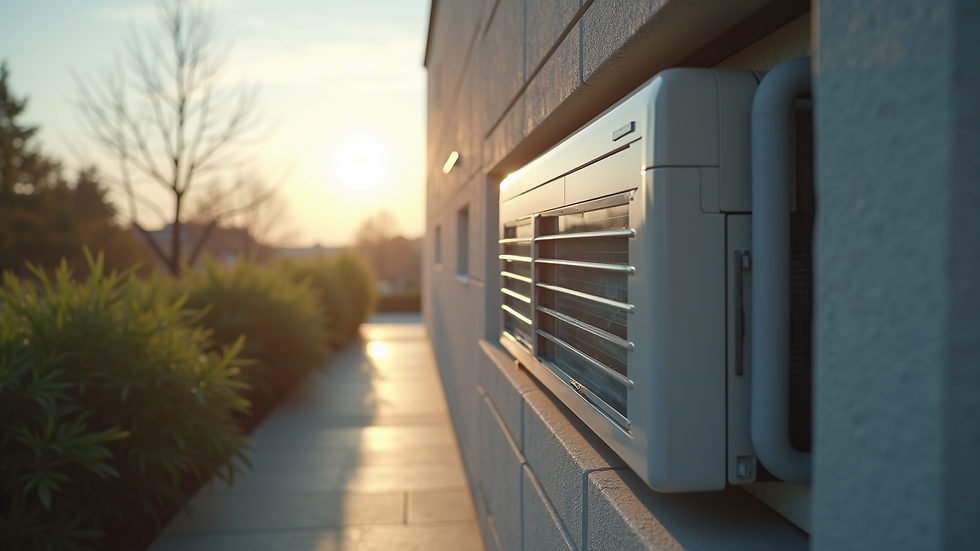
Ductless mini-split systems are ideal for homes without ductwork. They consist of an outdoor compressor and one or more indoor air-handling units. Benefits include:
Zoned Heating and Cooling: You can control the temperature in individual rooms, reducing energy waste.
High Efficiency: Many models have SEER ratings above 20.
Heat Pumps
Heat pumps are versatile systems that can provide both heating and cooling. They work by transferring heat rather than generating it, making them highly efficient. Consider:
Geothermal Heat Pumps: These use the earth's stable temperature to heat and cool your home, offering significant energy savings.
Air Source Heat Pumps: These are easier to install and can be very efficient in moderate climates.
Regular Maintenance for Optimal Performance
Regardless of the system you choose, regular maintenance is key to ensuring efficiency. Here are some maintenance tips:
Change Filters Regularly
Dirty filters can restrict airflow, forcing your system to work harder. Check and replace filters every 1-3 months, depending on usage.
Schedule Professional Inspections
Annual inspections by a qualified technician can identify potential issues before they become costly repairs. Technicians can clean coils, check refrigerant levels, and ensure all components are functioning correctly.
Clean Ducts and Vents
Over time, dust and debris can accumulate in ducts and vents, reducing efficiency. Consider having your ducts cleaned every few years to maintain optimal airflow.
Smart Thermostats: A Game Changer
Investing in a smart thermostat can enhance your HVAC system's efficiency. These devices learn your schedule and adjust temperatures accordingly, optimizing energy use. Features to look for include:
Remote Access: Control your system from anywhere using a smartphone app.
Energy Reports: Receive insights into your energy usage and tips for saving.
Insulation and Sealing
Even the most efficient HVAC system will struggle if your home is not properly insulated. Here are some steps to improve insulation and sealing:
Insulate Your Home
Proper insulation in attics, walls, and floors can prevent heat loss in winter and keep your home cool in summer. Consider using:
Fiberglass Insulation: A cost-effective option that provides excellent thermal resistance.
Spray Foam Insulation: Offers superior air sealing and insulation properties.
Seal Air Leaks
Air leaks around windows, doors, and other openings can lead to significant energy loss. Use caulk or weatherstripping to seal gaps and cracks.
Energy-Efficient Upgrades
If your HVAC system is older, consider upgrading to more energy-efficient models. Here are some options:
High-Efficiency Furnaces
Look for furnaces with an AFUE rating of 90% or higher. These models convert more fuel into heat, reducing energy costs.
Energy Recovery Ventilators (ERVs)
ERVs improve indoor air quality by exchanging stale indoor air with fresh outdoor air while minimizing energy loss. They are particularly useful in tightly sealed homes.
Conclusion
Investing in efficient HVAC solutions is not just about comfort; it’s also about saving money and protecting the environment. By choosing the right system, maintaining it regularly, and making necessary upgrades, you can significantly enhance your home's energy efficiency.
Take the first step today by evaluating your current HVAC system and considering the options discussed. Whether it’s upgrading to a smart thermostat or investing in a high-efficiency heat pump, every little change can lead to substantial savings and a more comfortable living space.
Remember, a well-maintained and efficient HVAC system is an investment in your home’s future.


Comments