Top Tips for HVAC Maintenance and Care
Keeping your HVAC system in top shape is essential for ensuring a comfortable living environment and improving energy efficiency. Regular maintenance not only extends the life of your system but also helps prevent costly repairs. In this blog post, we will explore practical tips for HVAC maintenance and care that every homeowner should know.

Understanding Your HVAC System
Before diving into maintenance tips, it’s important to understand the basic components of your HVAC system. An HVAC system typically includes:
Heating Unit: This could be a furnace or heat pump that warms your home.
Cooling Unit: Usually an air conditioner or heat pump that cools your space.
Ventilation: Ductwork and fans that circulate air throughout your home.
Thermostat: The control system that regulates temperature settings.
Understanding these components will help you identify areas that need attention during maintenance.
Regular Filter Replacement
One of the simplest yet most effective maintenance tasks is to replace or clean your air filters regularly. Clogged filters can restrict airflow, making your system work harder and less efficiently. Here’s how to manage your filters:
Frequency: Check filters monthly and replace them every 1-3 months, depending on usage and filter type.
Type of Filters: Use high-efficiency particulate air (HEPA) filters for better air quality.
Signs of Clogging: If you notice reduced airflow or increased energy bills, it’s time to check the filters.
Schedule Annual Professional Inspections
While there are many maintenance tasks you can handle yourself, scheduling an annual professional inspection is crucial. A qualified technician can:
Inspect and clean the entire system.
Identify potential issues before they become major problems.
Ensure that your system is running efficiently and safely.
Consider scheduling this inspection in the spring or fall, when HVAC systems are typically less in demand.
Keep the Outdoor Unit Clear
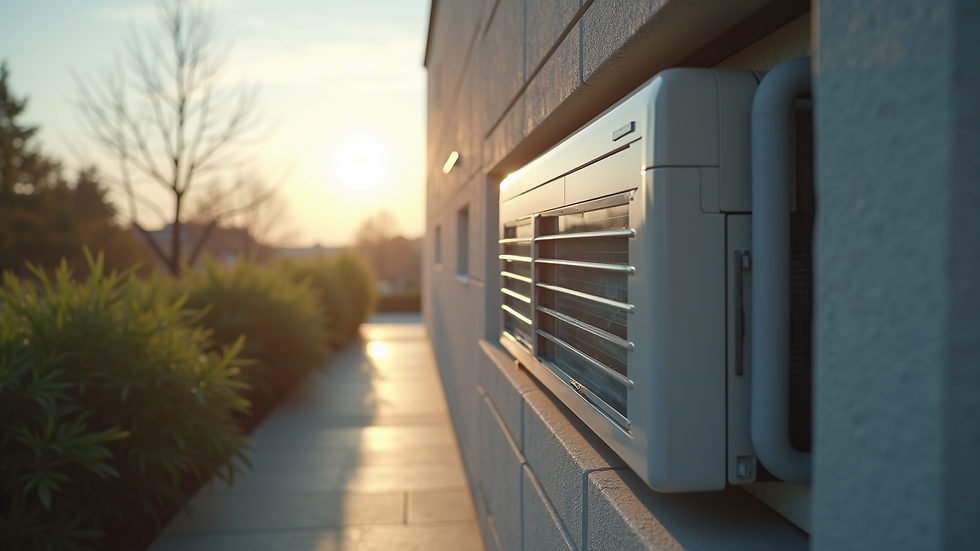
If you have an outdoor unit, such as a central air conditioner, keeping it clear of debris is essential for optimal performance. Here are some tips:
Clear the Area: Remove leaves, dirt, and other debris from around the unit. Aim for at least two feet of clearance on all sides.
Trim Vegetation: Ensure that shrubs and plants are trimmed back to allow for proper airflow.
Check for Ice: In colder months, check for ice buildup on the unit, which can affect performance.
Monitor Thermostat Settings
Your thermostat plays a crucial role in maintaining your home’s temperature. To ensure it operates efficiently:
Upgrade to a Smart Thermostat: These devices can learn your habits and adjust settings automatically, saving energy.
Set Appropriate Temperatures: In winter, keep the thermostat at 68°F during the day and lower it at night. In summer, aim for 78°F when home and higher when away.
Regular Calibration: Check that your thermostat is accurately reading the temperature. If it’s off, recalibrate or replace it.
Insulate Ductwork
Leaky or poorly insulated ductwork can lead to significant energy loss. To improve efficiency:
Inspect Ducts: Look for visible gaps or holes in the ductwork. Seal any leaks with duct tape or mastic sealant.
Insulate Ducts: Insulate ducts in unconditioned spaces, such as attics or crawl spaces, to prevent heat loss or gain.
Consider Professional Help: If you’re unsure about ductwork insulation, consult a professional for an assessment.
Clean the Condenser Coils
Dirty condenser coils can hinder your HVAC system's efficiency. Regular cleaning is essential:
Frequency: Clean the coils at least once a year, ideally before the cooling season.
How to Clean: Use a soft brush or cloth to remove dirt and debris. Be gentle to avoid damaging the fins.
Professional Cleaning: If the coils are heavily soiled, consider hiring a professional for a thorough cleaning.
Check Refrigerant Levels
Low refrigerant levels can indicate a leak, which can affect your system's cooling efficiency. Here’s what to do:
Monitor Performance: If your system is not cooling effectively, it may be low on refrigerant.
Call a Professional: Only a licensed technician should handle refrigerant levels, as it requires specialized knowledge and tools.
Maintain Humidity Levels
Humidity plays a significant role in your home’s comfort. Here’s how to manage it:
Use Dehumidifiers: In humid climates, consider using a dehumidifier to maintain optimal humidity levels (30-50%).
Check for Moisture Issues: Look for signs of excess moisture, such as mold or mildew, and address them promptly.
Ventilation: Ensure proper ventilation in areas like kitchens and bathrooms to reduce humidity buildup.
Optimize Energy Efficiency
Improving your HVAC system's energy efficiency can lead to significant savings on your utility bills. Here are some strategies:
Seal Windows and Doors: Use weather stripping or caulk to seal gaps that allow air leaks.
Use Ceiling Fans: Ceiling fans can help circulate air, making your home feel cooler in summer and warmer in winter.
Consider Upgrading: If your system is over 10-15 years old, consider upgrading to a more energy-efficient model.
Keep an Eye on System Performance
Regularly monitoring your HVAC system's performance can help you catch issues early. Pay attention to:
Unusual Noises: Listen for strange sounds, such as grinding or rattling, which could indicate a problem.
Inconsistent Temperatures: If certain rooms are consistently warmer or cooler, it may signal an issue with your system.
Increased Energy Bills: A sudden spike in your energy bills could mean your HVAC system is working harder than it should.
Conclusion
Maintaining your HVAC system is essential for ensuring comfort, efficiency, and longevity. By following these tips, you can keep your system running smoothly and avoid costly repairs. Remember, regular maintenance not only benefits your HVAC system but also enhances your overall home environment. Take action today to ensure your HVAC system is in top shape for years to come.

Comments